A collection shaped by history
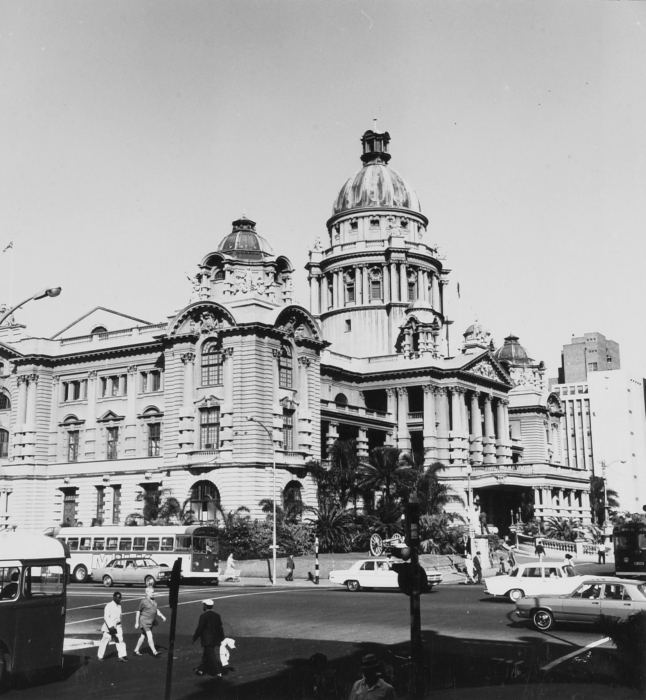
The gallery's holdings span traditional and contemporary work, including a significant body of historical photography documenting Durban and the wider KwaZulu-Natal region. These images capture everything from colonial-era streetscapes to the daily lives of the communities who built the city, offering a visual counterpart to the archival collections held across the Durban Local History Museums.
In recent decades the gallery has placed growing emphasis on contemporary South African and African art, using its programme to platform artists engaging with memory, identity and social change — themes that echo strongly through Durban's own history.
Photography as historical record
Photography occupies a special place within the gallery's collection. Beyond their artistic value, many of the images function as primary historical sources, preserving details of architecture, dress, trade and public life that might otherwise have been lost. Researchers and genealogists frequently draw on these holdings alongside the museum's own photographic archives.
Visiting the gallery
The Durban Art Gallery is open to the public free of charge and hosts a rotating programme of exhibitions throughout the year, ranging from historical surveys to shows by emerging local artists. Its location within City Hall places it within easy reach of the Old Court House Museum and several of Durban's other heritage sites, making it a natural stop on any exploration of the city's cultural landmarks.