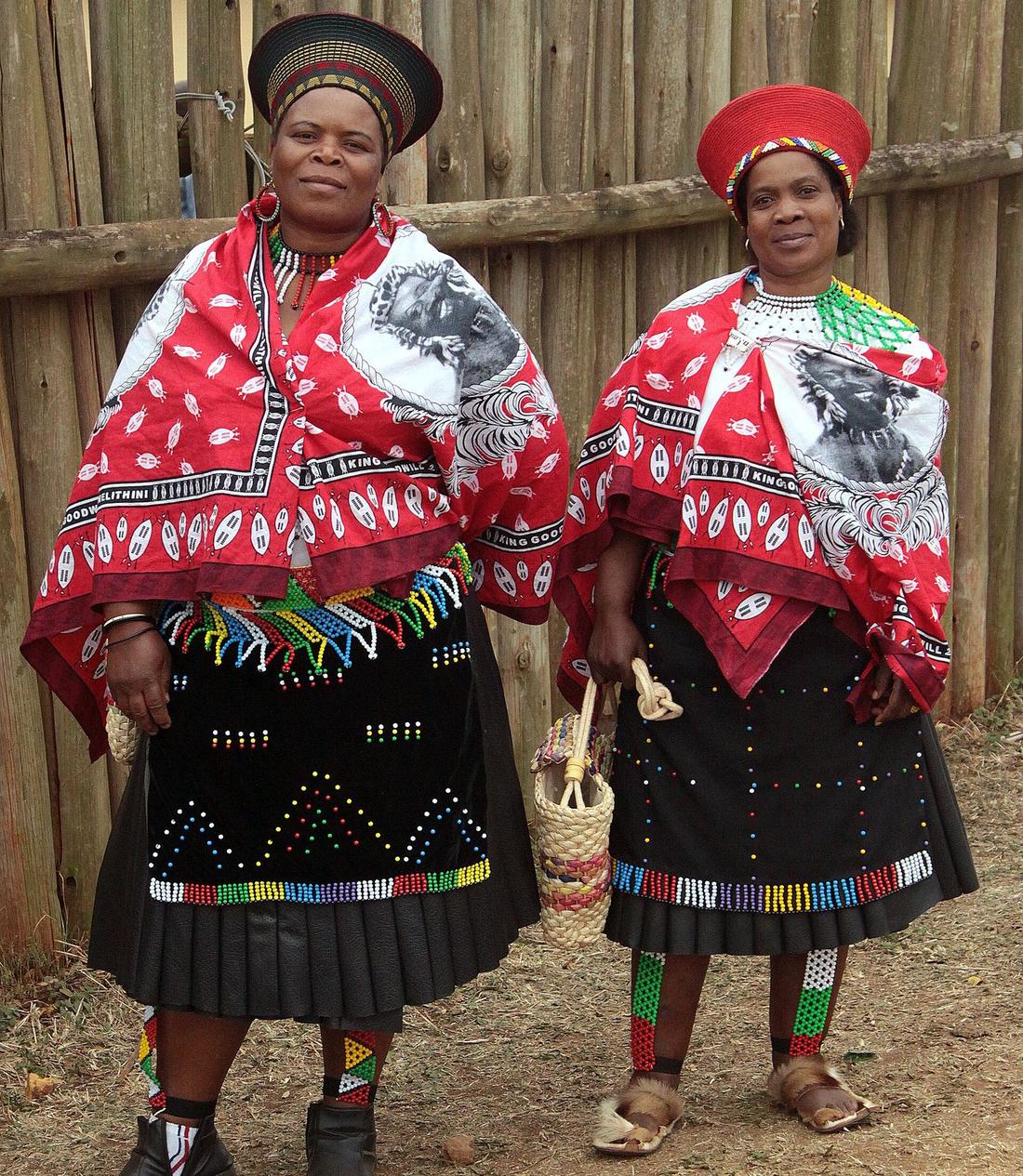
A ceremony of tradition and identity
Participants travel from across the province to take part in the ceremony, each carrying a reed that is symbolically presented before the Zulu monarch. The reed itself represents purity, and the ceremony as a whole celebrates womanhood, discipline and cultural continuity, while reaffirming ties between community, tradition and royal custom.
Dressed in vibrant traditional attire — beadwork, cowhide skirts and ceremonial adornments — the participants perform dances that have been passed down through generations, accompanied by song and drumming that draw large crowds of spectators and cultural observers each year.
Living heritage, museum record
The Durban Local History Museums' collections include beadwork, garments and photographic records connected to Zulu ceremonial life, on permanent display in exhibits such as World of the Zulu. These holdings help preserve the material culture surrounding ceremonies like the Reed Dance, providing context and continuity between historical practice and the living traditions still celebrated today. Zulu crafts and beadwork are also on display at the Pinetown Museum.
A ceremony that endures
Despite the passage of time and the pressures of modernisation, Umkhosi Womhlanga remains one of the most widely attended cultural events in the region, drawing not only participants and their families but also researchers, photographers and visitors keen to witness a tradition that continues to hold deep meaning for the Zulu nation.